
DIGITAL PORTFOLIOS OF THE POOR
Philosophies of Trust in an Age of Digital Financial Life
A portfolio is not just a record of transactions. It is a map of relationships, obligations, and trust. To understand the digital portfolios of the poor is to understand who they trust, and why. We surveyed low-income people across India, Kenya, Nigeria, and Pakistan to understand their digital trust philosophies, using automated voice interviews in local languages and AI-powered qualitative analysis. It found that low engagement with digital financial services is not an infrastructure problem but a trust problem, structured around four pillars (Risk Perception, Risk Mitigation, Responsibility Perception, Benefit Perception) and three archetypes (Control Seekers, Assurance Seekers, Protection Seekers) that recur across all four countries in different proportions. These findings need to reach DFS providers, regulators, central banks, and donors investing in financial inclusion, and this webinar series will surface them alongside the practical workshop methodology that has translated them into provider-level action.
A portfolio is not just a record of transactions. It is a map of relationships, obligations, and trust. To understand the digital portfolios of the poor is to understand who they trust, and why. We surveyed low-income people across India, Kenya, Nigeria, and Pakistan to understand their digital trust philosophies, using automated voice interviews in local languages and AI-powered qualitative analysis. It found that low engagement with digital financial services is not an infrastructure problem but a trust problem, structured around four pillars (Risk Perception, Risk Mitigation, Responsibility Perception, Benefit Perception) and three archetypes (Control Seekers, Assurance Seekers, Protection Seekers) that recur across all four countries in different proportions. These findings need to reach DFS providers, regulators, central banks, and donors investing in financial inclusion, and this webinar series will surface them alongside the practical workshop methodology that has translated them into provider-level action.
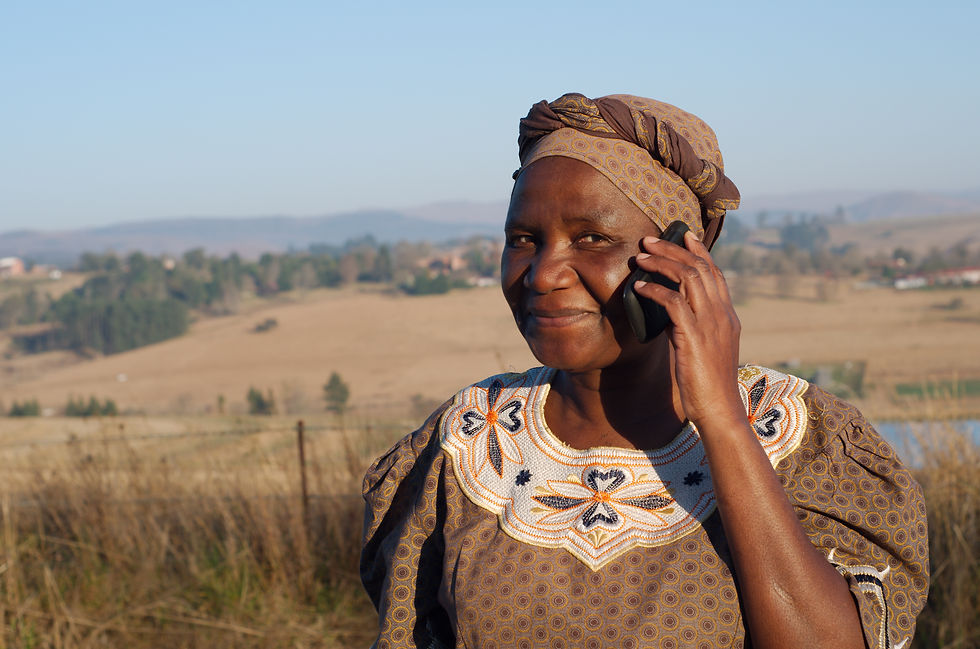

DFS providers designing for their customers' needs
Do you work at a DFS provider? Explore the workshops we did with DFS in Kenya and Nigeria, and get access to our Toolkit so you can exercise using our findings to understand your customers and design for their needs.



Understanding complex theme using skits
We incorporated skits into our research methodology to uncover insights from low-income individuals regarding their awareness of digital risks and the precautions, if any, they might take to mitigate these risks. By using skits, we allowed respondents to reflect deeply on digital philosophies, offering a more nuanced understanding compared to conventional surveys.


Partners and Collaborators
This work was generously funded by the Gates Foundation and made possible through our field partners.

Grantee, Project Manager

Grantee, Academic Support


